(301) 953-1424 • LRASales@laneycompanies.com

(301) 953-1424 • LRASales@laneycompanies.com
Construction is changing, and not just in how buildings look. The materials used today are becoming just as important as the design itself. More homeowners, builders, and developers are paying attention to sustainability, and for good reason. The shift toward sustainable construction materials isn’t a trend. It’s the direction the industry is heading.
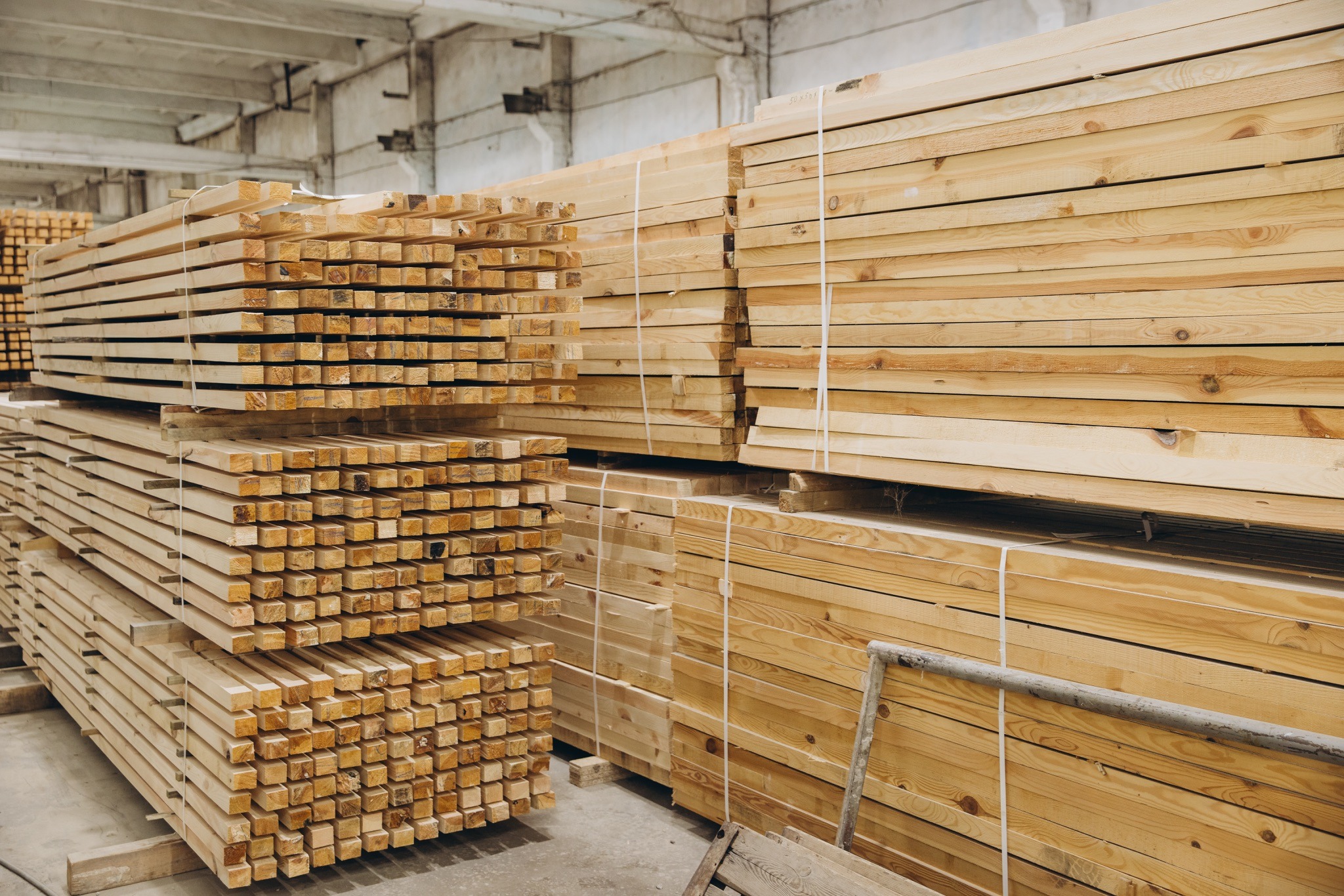
Sustainable materials are designed to reduce environmental impact. This can include how they’re sourced, produced, and used over time. Examples include recycled materials, renewable resources, and products that last longer. The goal is to minimize waste while maintaining quality and performance. It’s about building smarter, not just building more.
Traditional construction materials can require a lot of energy and resources to produce. This contributes to pollution and environmental strain. Sustainable options are often made with fewer resources or recycled content. This reduces the overall impact right from the beginning. Choosing these materials helps support more responsible building practices.
Sustainable materials don’t just help during construction; they also improve how a building performs. Many of these materials offer better insulation and temperature control. This means less energy is needed for heating and cooling. Over time, this leads to lower utility costs and a more comfortable living space.
One common misconception is that sustainable materials are less durable. In reality, many are designed to last longer than traditional options. Stronger materials mean fewer repairs and replacements over time. This reduces both maintenance costs and material waste. Durability is a key reason why more builders are making the switch.
The materials used in construction can affect indoor air quality. Some traditional products release chemicals that may impact health. Sustainable materials are often made with fewer harmful substances. This creates a cleaner and safer indoor environment. It’s a benefit that homeowners notice every day.
Sustainability is becoming a priority for both buyers and regulators. Many people now look for eco-friendly features when choosing a home or building. At the same time, building codes and standards are evolving. Sustainable materials help meet these requirements more easily. Staying ahead of these changes can add long-term value to a property.
While some sustainable materials may have a higher upfront cost, they often save money over time. Lower energy bills, reduced maintenance, and longer lifespan all contribute to better overall value. It’s an investment that benefits both your budget and the environment.
Sustainable construction materials are shaping the future of the industry. They offer a balance of performance, efficiency, and environmental responsibility. As more people recognize these benefits, the demand will only continue to grow. If you’re planning a construction project, now is the time to consider sustainable options. Reach out to us today to schedule your appointment or request a quote. We’ll help you choose materials that support both your goals and the future.
Prince George's County: Bowie (20715, 20716, 20720, 20721), Beltsville (20705), Adelphi (20783), College Park (20740,20742), Greenbelt (25689), Hyattsville (20781, 20782, 20783, 20784), Landover (20785), Laurel (20707, 20723), Springdale (20774), Upper Marlboro (20772, 20774), Woodlawn (21207).
Montgomery County: Olney (20832), Damascus (20872), Laytonsville (20882), Silver Spring (20910), Clarksburg (20871), Gaithersburg (20878), Germantown (20876), Bethesda (20816), Chevy Chase (20815), and more.
Howard County: Elkridge (21075), Ellicott City (21043), Fulton (20759), Glenelg (21737), Glenwood (21738), Granite (21163), Hanover (21076), Clarksville (21029), Columbia (21044), Cooksville (21723), Dorsey (21075), Highland (20777), Jessup (20794), Lisbon (21765), Marriottsville (21104), North Laurel (20723), West Friendship (21794), Woodbine (21797), Woodstock (21163), and more.
Anne Arundel County: Annapolis (21401, 21403, 21409), Arnold (21012), Crofton (21114), Crownsville (21032), Gambrills (21054), Glen Burnie (21060, 21061), Hanover (21076), Jessup (20794), Pasadena (21122), Severn (21144), Severna Park (21146).
Baltimore County: Arbutus (21227), Catonsville (21228, 21250), Lansdowne (21227), Lochearn (21207), Cockeysville (21030, 21031, 21065), Dundalk (21222), Pikesville (21208), Randallstown (21133), Reisterstown (21136), Edgemere (21219), Essex (21221), Garrison (21055), Lutherville (21093), Middle River (21220), Milford Mill (21244), Overlea (21236), Owings Mills (21117), Parkville (21234), Park Heights (21215), Rosedale (21237), Timonium (21093), Towson (21204), White Marsh (21162), Woodlawn (21207), and more.
Carroll County: Eldersburg (21784), Finksburg (21048), Hampstead (21074), Manchester (21102), Marriottsville (21104), Taneytown (21787), Union Bridge (21791), Westminster (21157, 21158), Mount Airy (21771), New Windsor (21776), Sykesville (21784), Woodbine (21797), Taneytown (21787), and more.
Frederick County: Frederick (21701, 20702, 21703, 21709), New Market (21774) , Mount Airy (21771), Urbana (21704), Ijamsville (21754), Walkersville (21793), Libertytown (21762), Damascus (20872), and more.
Washington, DC and Northern Virginia
St. Mary's County: Leonardtown (20650), Mechanicsville (20659), Lexington Park (20653), Piney Point (20674), Tall Timbers (20690)
Calvert County: Dunkirk (20754), Chesapeake Beach (20732), North Beach (20714), Prince Frederick (20678), Owings (20736), Solomons (20688).
Charles County: La Plata (20646), Port Tobacco (20677), Rock Point (20682), Waldorf (20601, 20602, 20603)
©2026 The Recycling Center, All Rights Reserved.
Site Designed and Developed by: Advantage Internet Marketing