(301) 953-1424 • LRASales@laneycompanies.com

(301) 953-1424 • LRASales@laneycompanies.com
Every construction project—whether it’s a roadway, foundation, or site development—depends on strong, stable, and cost-effective aggregates. But not all materials are created equal. Today’s contractors and project managers are increasingly asking an important question: should we use recycled aggregates or virgin materials?
At Laney Recycling & Aggregates (LRA), we supply both options and help clients across Maryland choose the best fit for their specific needs. Each type of aggregate offers unique advantages depending on project goals, budget, and sustainability requirements.
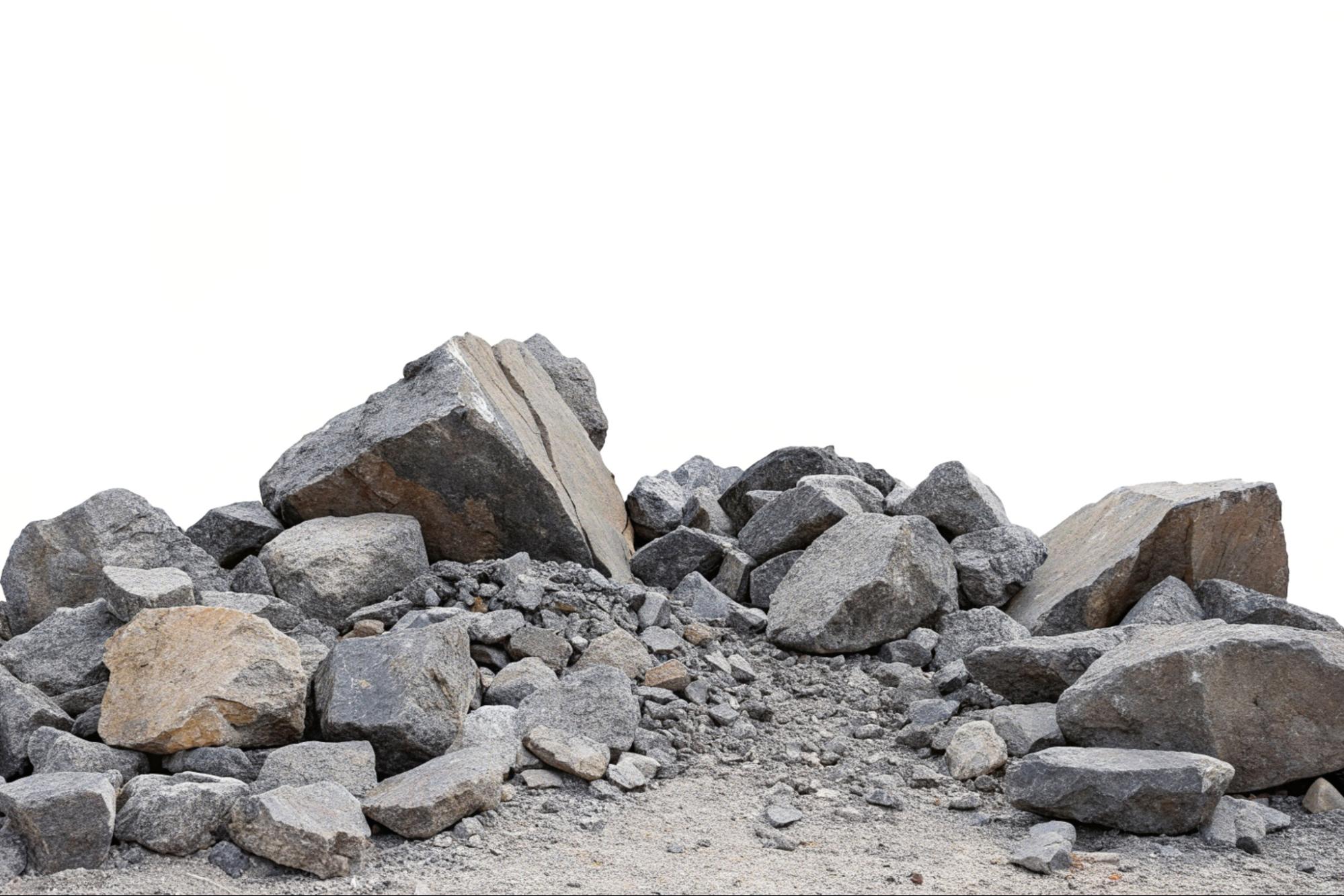
Here’s what you should know when deciding which material is right for your next job.
Virgin materials are made from natural stone that’s mined or quarried to use in construction. These materials—like crushed stone, sand, and gravel—are known for their strength and uniform quality. They’re often used in high-spec applications such as structural foundations, highway base layers, and concrete production.
Recycled aggregates, on the other hand, are produced by crushing and reprocessing materials such as concrete, asphalt, and masonry from demolition and construction projects. At LRA, we use advanced recycling technology to process these materials into high-quality, reusable aggregates suitable for a variety of applications.
Recycled products often include:
Both types of materials can perform exceptionally well when sourced and processed correctly—it all comes down to the specific needs of your project.
Recycled aggregates have become increasingly popular in recent years due to their cost efficiency and environmental benefits. Here’s why many Maryland contractors are making the switch:
Recycled materials generally cost less than virgin aggregates because they require less processing and transportation. For large-scale projects, that price difference can result in significant overall savings without compromising quality.
Choosing recycled aggregates helps reduce landfill waste and preserve natural resources. Instead of extracting new stone from quarries, contractors can reuse existing materials—an approach that aligns with Maryland’s growing emphasis on sustainability and green construction practices.
Modern recycling facilities, like LRA’s, use strict quality-control measures to ensure that recycled aggregates meet performance standards for compaction, strength, and stability. When properly processed, recycled materials can perform just as well as virgin aggregates in many construction applications, including:
Recycling also helps local projects earn LEED credits, which is a major advantage for government and commercial developments aiming to meet environmental certification standards.
While recycled aggregates are an excellent option for many projects, there are still cases where virgin materials are preferred—or even required.
For example, virgin stone is ideal for:
Virgin aggregates are also less variable in composition, making them suitable for engineering designs that demand precise specifications or where local regulations prohibit recycled content.
At LRA, we supply a wide range of virgin aggregates—including crushed stone, gravel, and sand—each produced under strict quality standards to ensure reliability and long-term performance.
In many cases, the smartest choice isn’t one or the other—it’s a combination of both. Contractors often use recycled aggregates for base or fill layers and virgin materials for top layers or high-performance applications. This hybrid approach maximizes both sustainability and cost efficiency without sacrificing quality.
The key is partnering with a supplier who understands how to balance performance, environmental impact, and budget; all while ensuring materials meet project requirements.
At Laney Recycling & Aggregates, we’ve been serving Maryland’s construction and paving industries for decades with reliable, sustainable aggregate solutions. Whether your project calls for virgin stone, recycled concrete, or a mix of both, our team can help you choose the right material for lasting performance and value.
We’re proud to support environmentally responsible construction by offering high-quality recycled aggregates produced at our state-of-the-art recycling facilities—right here in Maryland. Contact us today to learn more about our materials, request a quote, or schedule a delivery for your next project.
Prince George's County: Bowie (20715, 20716, 20720, 20721), Beltsville (20705), Adelphi (20783), College Park (20740,20742), Greenbelt (25689), Hyattsville (20781, 20782, 20783, 20784), Landover (20785), Laurel (20707, 20723), Springdale (20774), Upper Marlboro (20772, 20774), Woodlawn (21207).
Montgomery County: Olney (20832), Damascus (20872), Laytonsville (20882), Silver Spring (20910), Clarksburg (20871), Gaithersburg (20878), Germantown (20876), Bethesda (20816), Chevy Chase (20815), and more.
Howard County: Elkridge (21075), Ellicott City (21043), Fulton (20759), Glenelg (21737), Glenwood (21738), Granite (21163), Hanover (21076), Clarksville (21029), Columbia (21044), Cooksville (21723), Dorsey (21075), Highland (20777), Jessup (20794), Lisbon (21765), Marriottsville (21104), North Laurel (20723), West Friendship (21794), Woodbine (21797), Woodstock (21163), and more.
Anne Arundel County: Annapolis (21401, 21403, 21409), Arnold (21012), Crofton (21114), Crownsville (21032), Gambrills (21054), Glen Burnie (21060, 21061), Hanover (21076), Jessup (20794), Pasadena (21122), Severn (21144), Severna Park (21146).
Baltimore County: Arbutus (21227), Catonsville (21228, 21250), Lansdowne (21227), Lochearn (21207), Cockeysville (21030, 21031, 21065), Dundalk (21222), Pikesville (21208), Randallstown (21133), Reisterstown (21136), Edgemere (21219), Essex (21221), Garrison (21055), Lutherville (21093), Middle River (21220), Milford Mill (21244), Overlea (21236), Owings Mills (21117), Parkville (21234), Park Heights (21215), Rosedale (21237), Timonium (21093), Towson (21204), White Marsh (21162), Woodlawn (21207), and more.
Carroll County: Eldersburg (21784), Finksburg (21048), Hampstead (21074), Manchester (21102), Marriottsville (21104), Taneytown (21787), Union Bridge (21791), Westminster (21157, 21158), Mount Airy (21771), New Windsor (21776), Sykesville (21784), Woodbine (21797), Taneytown (21787), and more.
Frederick County: Frederick (21701, 20702, 21703, 21709), New Market (21774) , Mount Airy (21771), Urbana (21704), Ijamsville (21754), Walkersville (21793), Libertytown (21762), Damascus (20872), and more.
Washington, DC and Northern Virginia
St. Mary's County: Leonardtown (20650), Mechanicsville (20659), Lexington Park (20653), Piney Point (20674), Tall Timbers (20690)
Calvert County: Dunkirk (20754), Chesapeake Beach (20732), North Beach (20714), Prince Frederick (20678), Owings (20736), Solomons (20688).
Charles County: La Plata (20646), Port Tobacco (20677), Rock Point (20682), Waldorf (20601, 20602, 20603)
©2026 The Recycling Center, All Rights Reserved.
Site Designed and Developed by: Advantage Internet Marketing